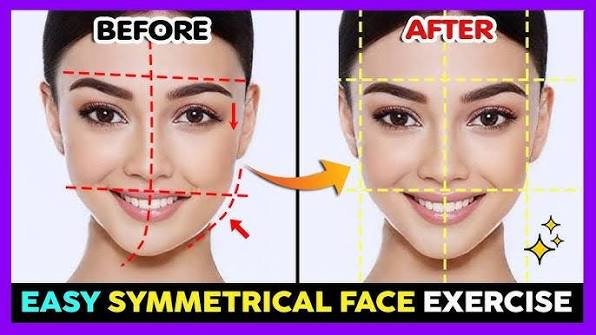
Facial asymmetry is completely normal. In fact, almost everyone has some natural difference between the left and right sides of their face. Factors such as sleeping position, facial expressions, muscle tension, posture, and everyday habits can contribute to how balanced your face appears.
Face yoga is a gentle practice that combines facial movements, massage, stretching, and relaxation techniques. While it cannot change your bone structure or guarantee a perfectly symmetrical face, consistent practice may help you become more aware of facial muscle tension and create a more relaxed, balanced appearance.
In this guide, we’ll explore some simple face yoga exercises that beginners can add to their daily routine.
What Is Facial Asymmetry?
Facial asymmetry means that the two sides of the face are not exactly identical. One eyebrow may sit slightly higher, one cheek may appear fuller, or the corners of the mouth may naturally differ.
Common factors that can influence facial appearance include:
- Natural facial structure
- Muscle tension
- Repeated facial expressions
- Posture and head position
- Sleeping habits
- Age-related changes
- Dental or jaw alignment
- Lifestyle habits
A small amount of asymmetry is generally normal and is part of what makes each person’s face unique.
Can Face Yoga Make Your Face Symmetrical?
Face yoga should be approached realistically. Exercises may help relax and activate facial muscles, improve awareness of uneven muscle use, and temporarily influence the appearance of muscle tension or puffiness.
However, face yoga cannot reliably reshape facial bones or permanently correct structural asymmetry.
Think of face yoga as a wellness and facial-movement routine, rather than a guaranteed method for transforming an asymmetrical face into a perfectly symmetrical one.
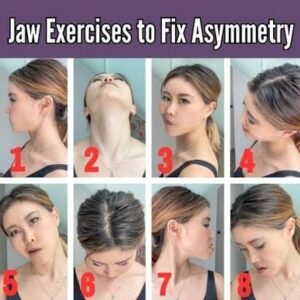
Top Face Yoga Exercises for a More Balanced Appearance
1. Even Smile Exercise
This simple exercise focuses on becoming aware of how both sides of your mouth move.
How to do it:
- Sit comfortably with your shoulders relaxed.
- Keep your head straight and look forward.
- Place your fingertips lightly near the corners of your mouth.
- Slowly smile while trying to lift both corners evenly.
- Hold the smile for 5–10 seconds.
- Relax and repeat 5–8 times.
Tip: Avoid forcing one side to move more than the other.
2. Cheek Lift Exercise
Cheek exercises can help you become more aware of the muscles around your cheeks.
How to do it:
- Relax your face.
- Smile gently without clenching your teeth.
- Place your fingertips lightly on the upper cheeks.
- Try to lift your cheek muscles toward your eyes.
- Hold for 5 seconds.
- Release slowly.
Repeat 8–10 times.
Keep the movement gentle and avoid excessive squinting.
3. Eyebrow Relaxation Exercise
Differences in eyebrow height can sometimes appear more noticeable when facial muscles are tense.
How to do it:
- Place your fingertips just above both eyebrows.
- Relax your forehead.
- Gently raise both eyebrows.
- Hold for 3–5 seconds.
- Slowly release.
- Repeat 8–10 times.
The goal is controlled movement rather than trying to force one eyebrow into a particular position.
4. Forehead Smoothing Exercise
This exercise combines gentle movement with relaxation.
Steps:
- Place your fingertips across your forehead.
- Take a slow breath in.
- Relax your forehead muscles.
- Gently move your fingertips outward toward your temples.
- Repeat the massage for 30–60 seconds.
This can be a relaxing addition to your facial routine, particularly if you tend to hold tension in your forehead.
5. Jaw Relaxation Exercise
Jaw tension can affect how your lower face feels and moves.
How to practice:
- Sit upright and relax your shoulders.
- Keep your lips gently together.
- Let your teeth remain slightly apart.
- Slowly open and close your jaw without forcing it.
- Move your jaw gently from side to side.
- Repeat 5–10 times.
Important: Stop if you experience pain, clicking, locking, or discomfort.
6. Chin and Lower-Face Exercise
This gentle movement can help you focus on controlled lower-face movement.
Steps:
- Sit with your head in a neutral position.
- Keep your lips relaxed.
- Gently move your lower lip upward toward your upper lip.
- Hold for a few seconds.
- Relax.
- Repeat 5–8 times.
Avoid straining your neck or jaw.
7. Facial Massage for Relaxation
A gentle facial massage can complement face yoga by encouraging relaxation.
Try this routine:
- Use clean hands.
- Start around the cheeks.
- Move your fingertips gently toward the temples.
- Massage along the jawline using light pressure.
- Finish with gentle movements across the forehead.
Spend approximately 2–3 minutes on the massage.
If you use a facial oil or moisturizer, make sure it is suitable for your skin type.
8. Facial Puffiness Massage
Sometimes temporary puffiness can make one side of the face appear different from the other.
A gentle massage may help you relax and temporarily reduce the appearance of puffiness.
How to do it:
- Apply a small amount of moisturizer if needed.
- Use very light pressure.
- Start around the center of the face.
- Move your fingers outward toward the sides of the face.
- Continue toward the temples and jaw.
- Repeat for 1–2 minutes.
Never use aggressive pressure or pull the skin forcefully.
A Simple 10-Minute Face Yoga Routine
If you’re new to face yoga, you don’t need a long routine. Try this simple sequence:
| Exercise | Duration |
|---|---|
| Deep breathing & facial relaxation | 1 minute |
| Even smile exercise | 1 minute |
| Cheek lifts | 2 minutes |
| Eyebrow movement | 1 minute |
| Jaw relaxation | 2 minutes |
| Gentle facial massage | 3 minutes |
You can practice this routine once a day, focusing on slow and controlled movements.
Tips for a More Balanced-Looking Face
Face yoga is only one part of a healthy facial routine. You can also pay attention to everyday habits.
Maintain Good Posture
Try to keep your head centered over your shoulders rather than constantly tilting it to one side.
Avoid Excessive Jaw Clenching
Clenching your teeth or constantly chewing on one side can contribute to uneven muscle use and jaw tension.
Alternate Sleeping Positions
If you always sleep with pressure on the same side of your face, consider varying your position when comfortable.
Stay Hydrated
Adequate hydration supports overall skin health and may help your face look less tired or puffy.
Practice Consistently
Face yoga isn’t about doing hundreds of repetitions. A short, gentle routine performed consistently is more practical than an intense routine done occasionally.
Common Mistakes to Avoid
When practicing face yoga, more effort doesn’t necessarily mean better results.
Avoid:
- Pulling or stretching your skin aggressively
- Making extremely exaggerated facial expressions
- Clenching your jaw during exercises
- Exercising through pain
- Expecting permanent structural changes
- Comparing your face constantly with edited photos online
The goal should be relaxation, awareness, and healthy facial movement, not perfection.
When Should You See a Professional?
If facial asymmetry is new, sudden, worsening, or accompanied by symptoms such as facial weakness, numbness, difficulty speaking, severe headache, or difficulty closing one eye, seek medical attention promptly.
For long-standing or significant asymmetry related to the jaw, teeth, muscles, or facial structure, a qualified healthcare professional, dentist, orthodontist, or other appropriate specialist can help identify the underlying cause.
Final Thoughts
A perfectly symmetrical face is unrealistic—and unnecessary. Natural facial asymmetry is common and contributes to individual facial character.
Face yoga can be a simple way to incorporate facial movement, muscle awareness, relaxation, and gentle massage into your wellness routine. With consistent practice and realistic expectations, these exercises may help your face feel more relaxed and appear more balanced.
Remember: the goal isn’t perfection. It’s a healthier, more relaxed, and confident version of you.
https://www.youtube.com/playlist?list=PL7wrjOJTAtxKCMHBloVJjYjbEo8aqHqPN